
In modern manufacturing, mechanical components are expected to operate faster, longer, and with less maintenance. Whether used in automation equipment, conveyor systems, packaging machinery, or precision machines, moving parts are constantly exposed to friction, vibration, impact, and repeated mechanical stress.
When traditional materials cannot meet these requirements, engineers often look for alternatives that provide better wear resistance, lower friction, and easier processing. POM sheet engineering plastic has become one of the most widely used solutions for producing durable wear-resistant components due to its excellent mechanical properties, dimensional stability, and low-friction performance.
Also known as acetal or polyoxymethylene, POM is a high-performance engineering thermoplastic that combines the strength of traditional materials with the lightweight and machining advantages of plastics. These characteristics make it suitable for a variety of industrial applications where reliability and long service life are essential.
What Makes POM an Ideal Material for Wear Parts?
Wear-resistant components are often required to maintain stable performance under continuous operation. Unlike decorative or structural materials, engineering plastics used in mechanical applications must withstand repeated movement and contact forces.
POM offers a balanced combination of properties, including:
-
Excellent wear resistance
-
Low coefficient of friction
-
High mechanical strength
-
Good dimensional stability
-
Moisture resistance
-
Chemical resistance
-
Easy machining capability
These advantages allow POM to replace certain metal components in applications where reduced weight, smoother movement, and lower maintenance requirements are important.
For manufacturers, choosing the right engineering plastic can directly influence equipment reliability, production efficiency, and operating costs.
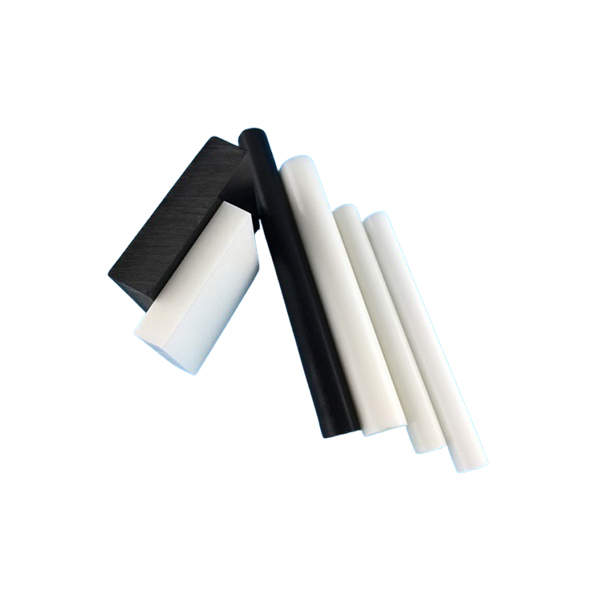
Superior Wear Resistance for Continuous Industrial Operation
Many industrial machines do not experience failure because of sudden overload. Instead, components gradually lose performance due to repeated friction and long-term wear.
Examples include:
-
Conveyor systems operating continuously
-
Automated production lines
-
Packaging equipment
-
Textile machinery
-
Material handling systems
-
Precision mechanical assemblies
In these applications, wear-resistant components must maintain their original shape and function over extended periods.
POM sheet engineering plastic performs well under these conditions because it can withstand repeated contact and sliding movement while maintaining good dimensional accuracy.
Common POM wear part applications include:
-
Conveyor guide rails
-
Wear strips
-
Sliding blocks
-
Bushings
-
Rollers
-
Gears
-
Sprockets
-
Scraper components
-
Machine support parts
By reducing component wear, POM helps manufacturers improve equipment stability and reduce unexpected downtime.
Low Friction Improves Mechanical Efficiency
Friction is one of the major causes of energy loss and component degradation in mechanical systems. Excessive friction can increase heat generation, accelerate wear, and create additional loads on motors and drive systems.
One of the key advantages of POM is its naturally low-friction performance. This makes it suitable for parts that require smooth movement, such as sliding guides, gears, and rotating components.
Compared with traditional metal-to-metal contact, POM components can help:
-
Reduce mechanical resistance
-
Lower operating noise
-
Improve movement efficiency
-
Extend service intervals
-
Reduce lubrication requirements
For example, in an automated conveyor system, POM guide rails can support smooth product movement while minimizing friction between moving parts.
However, engineers should still evaluate operating conditions carefully. Load, speed, temperature, lubrication conditions, and contact surfaces all influence the final material selection.
Excellent Dimensional Stability for Precision Components
For industrial applications, wear resistance alone is not enough. Components must also maintain accurate dimensions during operation.
If a part expands, contracts, or deforms excessively, it may affect machine accuracy and lead to production problems.
POM provides good dimensional stability under normal operating conditions, making it suitable for precision mechanical applications such as:
-
Automation equipment
-
Electronic machinery
-
Packaging systems
-
Positioning mechanisms
-
Transmission components
POM sheets can be machined into customized shapes and sizes, allowing manufacturers to produce parts with specific tolerances according to equipment requirements.
This flexibility is especially valuable for companies that require replacement parts, customized components, or small-batch production.
Why Manufacturers Choose POM Sheet for Custom Machining
One important advantage of POM sheet engineering plastic is its excellent machinability.
Unlike some specialized materials that require complicated processing methods, POM sheets can be easily manufactured through:
-
Cutting
-
Drilling
-
Milling
-
Turning
-
CNC machining
This makes POM a practical choice for customized industrial parts.
Manufacturers can produce components based on existing equipment designs without replacing complete assemblies. This reduces development time and provides a cost-effective approach for equipment upgrades and maintenance.
POM is also available in rod form, providing additional options for producing cylindrical components such as shafts, rollers, and bushings.
Corrosion Resistance Provides More Application Possibilities
In some industrial environments, metal parts may suffer from corrosion caused by moisture, chemicals, or process materials.
POM offers good resistance to many common industrial substances, including:
-
Oils
-
Fuels
-
Solvents
-
Moisture
-
Various chemicals
This makes it suitable for applications in industries such as:
-
Food processing
-
Packaging
-
Chemical equipment
-
Water treatment
-
Industrial automation
However, material compatibility should always be evaluated according to the specific working environment. Temperature, chemical concentration, and exposure duration can all affect long-term performance.
Lightweight Design Helps Improve Equipment Performance
Reducing equipment weight has become increasingly important in modern industrial design. Heavy components can increase energy consumption and place additional loads on motors, actuators, and moving systems.
POM is significantly lighter than many metal materials while still providing strong mechanical performance.
Replacing selected metal components with POM can help:
-
Reduce moving mass
-
Improve machine response speed
-
Lower energy consumption
-
Reduce mechanical stress
This advantage is especially useful in automation systems, robotics, and high-speed production equipment where movement efficiency is critical.
The goal is not to replace all metal components with plastic, but rather to select the most suitable material according to the actual application requirements.
How to Select the Right POM Engineering Plastic Supplier
Material quality plays an important role in the performance of finished components. Differences in raw materials, dimensional accuracy, and manufacturing consistency can affect machining results and final product reliability.
When selecting a POM supplier, manufacturers should consider:
-
Material consistency
-
Sheet thickness accuracy
-
Available sizes
-
Processing capability
-
Supply stability
-
Quality management system
-
Technical support
PT. UNIKATAMA INDO PERKASA provides engineering plastic and insulation material solutions for industrial customers. With production support from its China headquarters and an international supply network, the company supplies various engineering plastics for manufacturing applications.
With more than 10 years of market experience in Indonesia, the company provides material supply, processing support, inventory management, and logistics solutions to help customers improve procurement efficiency.
Its ISO 9001:2015 quality management system also supports consistent product quality and reliable customer service.
Applications of POM Engineering Plastic in Modern Industry
Because of its balanced performance, POM is widely used across many industrial sectors.
Typical applications include:
Automation Equipment
Used for precision guides, sliding parts, and mechanical components requiring stable movement.
Packaging Machinery
Applied in wear strips, rollers, and guide components exposed to continuous operation.
Food Processing Equipment
Suitable for components requiring low friction and resistance to moisture.
Conveyor Systems
Used for wear-resistant rails and support components to improve equipment lifespan.
Industrial Machinery
Applied in gears, bushings, rollers, and custom mechanical parts.
Before selecting POM, engineers should evaluate operating factors such as:
-
Load capacity
-
Operating speed
-
Temperature range
-
Contact pressure
-
Chemical exposure
-
Expected service life
Proper material selection ensures better performance and reliability.
Conclusion
POM sheet engineering plastic has become a preferred material for many industrial wear-resistant applications because it offers an effective combination of strength, low friction, dimensional stability, corrosion resistance, and machining flexibility.
From conveyor wear strips and guide rails to gears, bushings, rollers, and customized mechanical components, POM provides manufacturers with a practical alternative to traditional materials.
As industries continue to focus on efficiency, durability, and reduced maintenance costs, engineering plastics like POM will continue to play an important role in modern manufacturing.
With reliable material supply capabilities and professional engineering plastic solutions, PT. UNIKATAMA INDO PERKASA helps customers develop durable components designed for demanding industrial environments. For manufacturers seeking a lightweight and wear-resistant material solution, POM remains one of the most proven choices available today.
www.unikatamaindo.com
PT. UNIKATAMA INDO PERKASA