
When selecting piping materials for industrial projects, companies must consider far more than initial cost. Corrosion resistance, mechanical strength, operating temperature, maintenance requirements, and service life all have a direct impact on the long-term performance of a piping system.
For applications exposed to saltwater, chemicals, moisture, and demanding operating conditions, 316 stainless steel pipe is widely recognized as a dependable material solution. Its excellent resistance to corrosion and strong mechanical properties make it suitable for a broad range of industrial applications, including marine engineering, chemical processing, food production, pharmaceutical manufacturing, and water treatment.
But what makes 316 stainless steel pipe different from other stainless steel grades, and why is it so widely used in challenging environments?
What Makes 316 Stainless Steel Pipe Different?
The key advantage of 316 stainless steel lies in its chemical composition. In addition to chromium and nickel, it contains molybdenum, which significantly improves resistance to pitting and crevice corrosion.
This feature is particularly important in environments containing chloride ions. Saltwater, coastal air, industrial chemicals, and certain processing fluids can accelerate corrosion in ordinary metals and some lower-grade stainless steels. The molybdenum content in 316 stainless steel helps the material maintain better resistance under these conditions.
As a result, 316 stainless steel pipe is often selected for piping systems that require:
-
Strong resistance to chloride corrosion
-
Reliable performance in humid environments
-
Improved resistance to chemical media
-
Good mechanical strength
-
Long-term operational stability
-
Easy cleaning and maintenance
For critical industrial systems, these properties can help reduce the risk of premature pipe failure and unplanned maintenance.
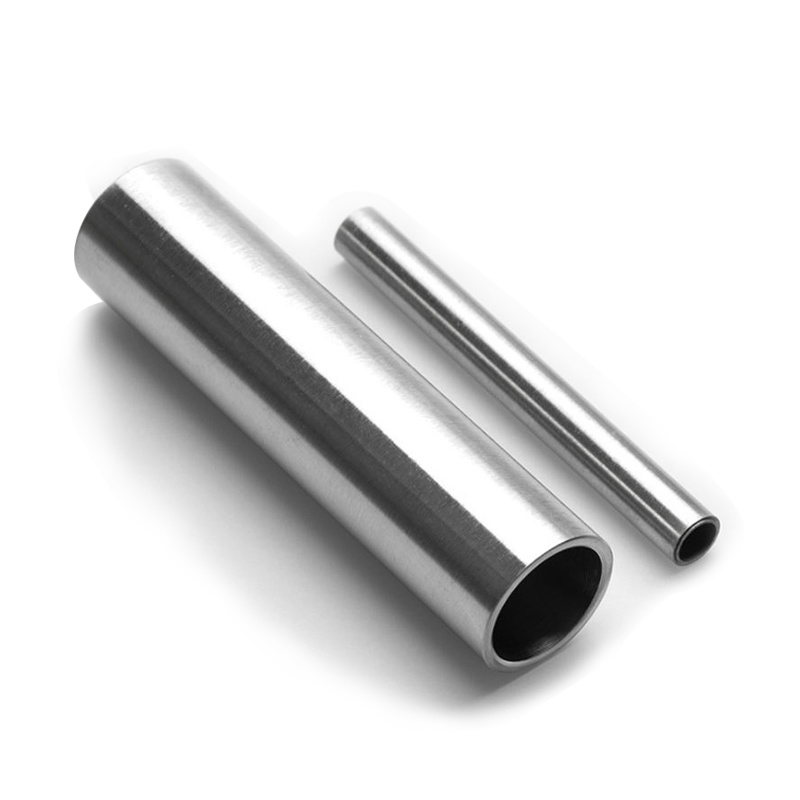
Excellent Corrosion Resistance for Demanding Applications
Corrosion is one of the most common causes of industrial pipe damage. Once corrosion begins, it can gradually reduce wall thickness, affect structural strength, and eventually lead to leakage or system failure.
316 stainless steel pipe offers improved protection in many corrosive environments. Its passive surface layer helps protect the underlying metal from external attack, while the addition of molybdenum provides additional resistance to localized corrosion.
This makes 316 stainless steel particularly suitable for applications involving:
-
Seawater and salt spray
-
High-humidity environments
-
Chemical processing media
-
Industrial cleaning agents
-
Certain acidic substances
-
Water treatment chemicals
In marine engineering, for example, pipes may be exposed to saltwater continuously. In chemical plants, piping systems may transport corrosive liquids or gases. In both cases, selecting a material with stronger corrosion resistance can contribute to longer service life and lower maintenance requirements.
Where Is 316 Stainless Steel Pipe Used?
The versatility of 316 stainless steel allows it to serve many different industries.
Marine Engineering
Ships, offshore platforms, coastal facilities, and marine equipment operate in environments where salt and moisture are constant concerns.
316 stainless steel pipe is commonly used in marine piping systems because of its improved resistance to chloride-related corrosion. It can be used in various systems where reliable performance is required under long-term exposure to marine conditions.
Chemical Processing
Chemical production facilities require piping materials capable of handling different liquids, gases, and processing media.
Because of its corrosion resistance and mechanical stability, 316 stainless steel pipe is often used for process piping, chemical transfer systems, storage connections, and other industrial applications.
Material selection should always be based on the specific chemical medium, concentration, temperature, and operating conditions. However, 316 stainless steel provides a strong starting point for many demanding applications.
Food and Pharmaceutical Manufacturing
Hygiene is a major consideration in food and pharmaceutical production.
The smooth surface of stainless steel is relatively easy to clean and maintain. 316 stainless steel is often selected for applications requiring high cleanliness and resistance to contamination, including processing equipment, fluid transfer systems, and sanitary piping installations.
Its combination of corrosion resistance and cleanability makes it suitable for environments where strict hygiene requirements are essential.
Water Treatment
Water treatment facilities often operate continuously and may use various chemicals during processing.
Piping systems in these facilities need to withstand moisture, chemical exposure, and long-term operation. 316 stainless steel pipe can provide reliable corrosion resistance in many water treatment applications, helping improve system durability and reduce the frequency of replacement.
Manufacturing Quality Is Just as Important as Material Grade
Choosing the correct stainless steel grade is only one part of ensuring reliable pipe performance. Manufacturing quality, dimensional accuracy, surface treatment, and inspection processes also play important roles.
A professional stainless steel pipe manufacturer should have the production capacity and quality control systems required to maintain consistent product performance.
Modern stainless steel pipe manufacturing may involve processes such as:
-
Online straightening and leveling
-
Solution treatment
-
Eddy current testing
-
Hydraulic pressure testing
-
Pickling
-
Surface finishing
-
Dimensional inspection
These processes help control the physical and metallurgical properties of the pipe while ensuring that products meet the requirements of different applications.
Yuehua has established extensive manufacturing capabilities for industrial pipes, decorative pipes, water supply pipes, gas pipes, fire protection pipes, and related products. With more than 140 stainless steel pipe production lines and over 200 sets of pipe fitting production equipment, the company supports a wide range of industrial and engineering requirements.
Its quality management system includes ISO9001, ISO14001, and ISO45001 certifications, reflecting a structured approach to quality, environmental management, and occupational health and safety.
316 Stainless Steel Pipe and Long-Term Operating Value
When evaluating piping materials, buyers should look beyond the initial purchase price. The total operating value of a pipe is also influenced by service life, maintenance frequency, replacement costs, and system reliability.
316 stainless steel pipe can provide long-term advantages in several areas.
Longer Service Life
Its resistance to corrosion helps slow material degradation and supports longer operating periods in demanding environments.
Reduced Maintenance Requirements
A durable, corrosion-resistant pipe may require fewer repairs and replacements than materials that are more vulnerable to environmental damage.
Stable Performance
316 stainless steel provides good mechanical strength and maintains reliable performance across a wide range of industrial operating conditions.
Broad Application Flexibility
The material can be used in applications ranging from marine systems and chemical plants to food processing and pharmaceutical production.
For industrial projects with strict reliability requirements, these factors can make 316 stainless steel pipe a valuable long-term material choice.
Selecting the Right 316 Stainless Steel Pipe Supplier
Not every project has the same requirements. Pipe diameter, wall thickness, length, surface finish, connection method, and application environment can all vary depending on the project.
For this reason, buyers should evaluate more than product availability when selecting a supplier. Important factors include:
-
Manufacturing capacity
-
Quality control procedures
-
Production equipment
-
Testing capabilities
-
Product consistency
-
Technical support
-
Customization capabilities
Yuehua focuses on stainless steel pipe manufacturing and provides solutions for industrial, commercial, and engineering applications. With professional production equipment and extensive manufacturing experience, the company supports customers looking for dependable stainless steel piping products.
For buyers seeking a reliable solution for demanding environments, a professionally manufactured 316 stainless steel pipe can provide the combination of corrosion resistance, durability, and long-term performance required by modern industrial systems.
Conclusion
316 stainless steel pipe is widely used in demanding industrial environments because of its excellent corrosion resistance, mechanical strength, and long-term stability.
The addition of molybdenum gives 316 stainless steel improved resistance to pitting and chloride corrosion, making it particularly suitable for marine engineering, chemical processing, water treatment, food production, and pharmaceutical applications.
However, the performance of a stainless steel pipe depends not only on its material grade. Manufacturing processes, quality inspection, dimensional accuracy, and supplier reliability are equally important.
By selecting the right 316 stainless steel pipe and working with an experienced manufacturer, industrial users can build more durable, reliable, and efficient piping systems for long-term operation.
www.yuehuasus.com
Yuehua