
Industrial components used in steelmaking, petrochemical processing, power generation, glass manufacturing, and other heavy-duty industries often operate under demanding conditions. High temperatures, friction, metal-to-metal contact, corrosion, and abrasive particles can gradually damage component surfaces. When conventional materials cannot provide sufficient wear resistance, hardfacing becomes a practical solution for extending component service life.
Cobalt-based welding wire is widely used in industrial hardfacing because cobalt alloys can maintain useful wear resistance and mechanical properties under demanding operating conditions. Depending on the alloy composition, these materials can also provide resistance to oxidation, corrosion, and elevated-temperature exposure.
However, selecting the right cobalt-based welding wire requires more than comparing hardness values or product descriptions. Buyers need to consider the actual wear mechanism, base material, welding process, overlay thickness, and operating environment.
This guide explains the key factors to consider when purchasing cobalt-based welding wire and provides practical advice for achieving consistent hardfacing results.
1. Understand the Performance Characteristics of Cobalt-Based Welding Wire
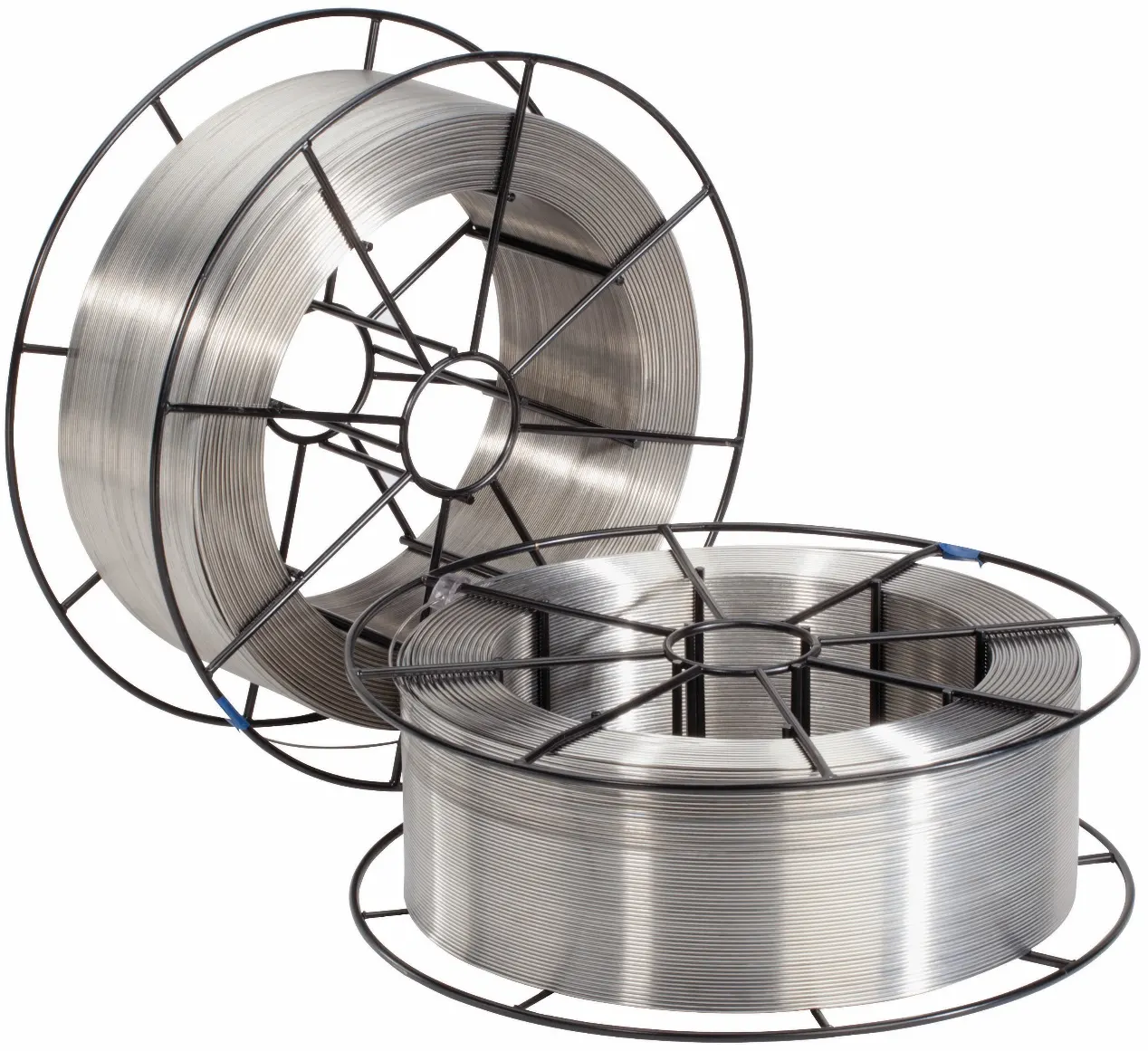
Cobalt-based welding wires are hardfacing consumables designed to deposit a wear-resistant alloy layer onto the surface of industrial components. Their performance is determined by the alloy composition, deposited microstructure, and welding conditions.
Depending on the specific grade, cobalt-based hardfacing materials can provide several useful characteristics:
Wear resistance: They can help protect surfaces exposed to sliding friction, metal-to-metal contact, and selected abrasive wear conditions.
High-temperature performance: Certain cobalt-based alloys retain useful mechanical properties and wear resistance at elevated temperatures, making them suitable for selected hot-service applications.
Corrosion resistance: Chromium and other alloying elements can contribute to resistance against oxidation and certain corrosive environments.
Thermal stability: Some cobalt-based deposits are suitable for components exposed to repeated temperature changes, depending on the alloy and operating conditions.
Surface durability: A properly deposited hardfacing layer can reduce surface damage and help extend the service life of frequently used components.
These properties make cobalt-based welding wire relevant to industrial applications such as valve seats, sealing surfaces, pump components, cutting tools, and selected machinery parts.
It is important to note that different cobalt-based grades have different performance characteristics. Buyers should review the technical data for the specific alloy instead of assuming that all cobalt-based welding wires provide identical results.
2. Identify the Wear Mechanism Before Selecting an Alloy
One of the most important steps in hardfacing material selection is understanding how the component actually wears during operation.
A component exposed mainly to sliding friction may require different material characteristics from one subjected to abrasive particles or corrosive fluids.
| Wear Type | Typical Operating Conditions | Key Selection Consideration |
|---|---|---|
| Abrasive wear | Contact with minerals, particles, or hard materials | Resistance to the actual abrasive medium |
| Adhesive wear | Repeated metal-to-metal contact | Surface hardness and resistance to material transfer |
| Erosive wear | High-speed particles or fluid flow | Resistance to particle impact and surface removal |
| Corrosive wear | Exposure to chemicals or corrosive fluids | Alloy composition and chemical compatibility |
| High-temperature wear | Friction or contact at elevated temperatures | Temperature-related wear performance |
| Combined wear | Heat, corrosion, pressure, and friction | Overall service environment and component requirements |
For example, a valve component in a chemical processing facility may experience both corrosion and repeated metal-to-metal contact. In contrast, a component used in glass manufacturing may face high temperatures and continuous mechanical contact.
Selecting a welding wire based only on a general requirement for high hardness can lead to poor results. The dominant wear mechanism and secondary operating conditions should be evaluated together.
3. Evaluate Chemical Composition and Deposited Metal Properties
Chemical composition is a fundamental factor when comparing cobalt-based welding wires. Buyers should request a technical data sheet and verify the specified alloy grade before placing an order.
Depending on the formulation, important alloying elements may include cobalt, chromium, tungsten, carbon, nickel, and other additions.
These elements influence the properties of the deposited layer. Chromium contributes to oxidation and corrosion resistance, while carbon and carbide-forming elements influence carbide formation, hardness, and wear behavior.
However, chemical composition alone does not determine final performance. Welding parameters, dilution from the base material, cooling conditions, and the number of deposited layers can all affect the properties of the finished overlay.
Before purchasing, buyers should confirm:
-
The exact alloy grade and chemical composition.
-
Typical deposited metal hardness and test method.
-
Recommended number of overlay layers.
-
Expected dilution characteristics.
-
Limitations concerning impact loading and cracking.
-
Recommended operating temperature and service conditions.
Hardness is an important reference, but it should not be treated as the only indicator of wear resistance. A very hard deposit may not necessarily provide the best performance under impact loading or thermal cycling.
4. Match Wire Diameter to the Welding Process
Cobalt-based flux-cored wires are available in different diameters and formulations. Choosing the correct diameter depends on the welding equipment, component dimensions, deposition rate, and production requirements.
Kennametal Stellite's flux-cored wire product range covers diameters from 1.2 mm to 6.0 mm across different alloy systems, including iron-based, nickel-based, cobalt-based, and tungsten carbide-containing wires. Availability should be confirmed for the specific cobalt-based grade.
Depending on the product formulation, hardfacing consumables may be designed for different processes, including:
-
Gas-shielded welding
-
Self-shielded welding
-
Submerged arc welding
-
Arc spraying
-
Oxyacetylene processes
Not every welding wire is compatible with every process. Buyers should verify the recommended process and operating parameters for the selected grade.
When communicating with a supplier, provide the following information:
-
Required welding wire diameter.
-
Welding equipment and process.
-
Base material and component dimensions.
-
Required hardfacing thickness.
-
Production or repair conditions.
-
Shielding gas or flux requirements, where applicable.
This information helps the supplier evaluate whether a particular wire is suitable for the intended application.
5. Check Base Material Compatibility and Welding Conditions
The quality of a hardfacing layer depends on the interaction between the welding consumable and the base material.
Different base metals have different carbon contents, thermal conductivity, hardenability, and cracking susceptibility. These characteristics can affect fusion, dilution, residual stress, and the final deposit structure.
Several factors should be considered before production.
Base material identification
Confirm the exact material grade and condition of the component receiving the hardfacing layer. This information is necessary for determining suitable welding procedures.
Preheating requirements
Some base materials and overlay combinations may require preheating to reduce thermal gradients and cracking risks. The temperature should be determined according to the alloy manufacturer's recommendations and a qualified welding procedure.
Interpass temperature control
Maintaining an appropriate interpass temperature helps achieve more consistent deposition conditions. Excessive or insufficient temperatures can affect the resulting microstructure and weld quality.
Dilution control
Dilution occurs when the base material mixes with the deposited alloy. Excessive dilution can change the chemical composition of the overlay and reduce its intended performance.
Post-weld treatment
Depending on the base material, alloy combination, and component design, specific cooling or post-weld procedures may be necessary.
For critical industrial components, representative trial deposits and welding procedure qualification can help verify material compatibility before full-scale production.
6. Inspect the Finished Hardfacing Layer
Selecting a suitable cobalt-based welding wire does not automatically guarantee a reliable finished component. Welding execution and inspection are equally important.
A practical inspection plan may include the following methods:
| Inspection Method | What It Evaluates |
|---|---|
| Visual inspection | Surface cracks, pores, spatter, and bead consistency |
| Hardness testing | Hardness of the deposited alloy layer |
| Dimensional inspection | Overlay thickness and final component dimensions |
| Non-destructive testing | Surface or internal discontinuities, depending on the selected method |
| Metallographic examination | Deposit microstructure, fusion boundary, and dilution |
The inspection requirements should reflect the component's operating conditions and project specifications.
For example, a critical industrial valve component may require more extensive inspection than a general-purpose wear plate. Buyers should establish acceptance criteria before production begins and confirm whether the supplier can provide relevant technical documents and inspection records.
7. Evaluate Long-Term Performance Instead of Focusing Only on Hardness
The main purpose of hardfacing is to improve component durability and reduce maintenance frequency. Therefore, buyers should evaluate actual service performance rather than relying exclusively on laboratory hardness values.
A practical evaluation process can include:
-
Recording the original component failure mode.
-
Identifying the dominant wear mechanism and operating conditions.
-
Selecting a suitable cobalt-based alloy for a trial application.
-
Recording welding parameters and deposited layer thickness.
-
Monitoring component wear during actual operation.
-
Comparing service intervals and maintenance requirements.
This approach helps manufacturers determine whether the selected alloy is suitable for the specific application.
For industrial users, field testing can also provide useful information about whether the material is better suited to component repair, new component manufacturing, or repeated hardfacing operations.
8. Why Consider Kennametal Stellite (Shanghai) Co., Ltd.?
When purchasing specialized hardfacing consumables, buyers need a supplier that understands alloy composition, welding processes, and industrial application requirements.
Kennametal Stellite (Shanghai) Co., Ltd. was established in May 1985 and is located in Jiading District, Shanghai. As a Sino-foreign joint venture and subsidiary of Kennametal Inc., the company specializes in the production and sales of wear-resistant, corrosion-resistant, and high-temperature-resistant hardfacing materials, components, and coating services. It also provides specialized equipment and technical services.
Its product range includes flux-cored hardfacing wires made from iron-based, nickel-based, cobalt-based, and tungsten carbide-containing alloy systems.
Using flux-cored wire production technology, the company offers products in diameters ranging from 1.2 mm to 6.0 mm across its product range, with solutions designed for different welding and surfacing processes.
These materials serve industries such as automotive manufacturing, steel production, petrochemicals, power generation, glass, cement, and rubber and plastics.
For industrial buyers sourcing cobalt-based welding wires, Kennametal Stellite (Shanghai) can be contacted to discuss alloy selection, wire specifications, welding process compatibility, and application requirements.
Providing information about the base material, operating temperature, wear mechanism, and intended welding process can make technical communication more efficient and help identify suitable product options.
Conclusion
Choosing the right cobalt-based welding wire requires a clear understanding of the component's operating environment, wear mechanism, base material, and hardfacing process. Chemical composition and hardness are important selection criteria, but they must be evaluated alongside dilution, welding procedure, overlay thickness, and finished-layer inspection.
For industrial manufacturers and maintenance teams, a well-defined technical specification is essential to achieving consistent hardfacing results. By evaluating actual service conditions and working with an experienced hardfacing material supplier, buyers can make more informed decisions and improve the reliability of wear-resistant components.
www.sh-stellite.com
Kennametal Stellite (Shanghai) Co., Ltd.