
Section 1: Industry Background and Critical Safety Challenges
In modern electrical infrastructure, busbar insulation systems face mounting pressure from increasingly complex safety regulations and demanding operational environments. As power distribution networks expand across renewable energy installations, railway systems, and industrial facilities, the risk of insulation failure, electrical arcing, and mechanical instability has become a critical concern for engineers and procurement professionals worldwide.
The challenge intensifies when organizations must balance cost considerations with stringent safety certifications—particularly UL (Underwriters Laboratories) recognition, which serves as the gold standard for flame retardancy and electrical safety in North American and global markets. Many purchasing decision-makers ask a deceptively simple question: "How much is a UL-recognized busbar insulator?" Yet this question opens a complex discussion involving material science, manufacturing precision, certification processes, and long-term operational value.
Yueqing City Duwai Electric Co., Ltd. (DOWE), founded in 2011 and authorized as a strategic supplier for Huawei, CHINT, Schneider, CRRC, and JAC Motors, has accumulated over a decade of specialized expertise in DMC, SMC, and Epoxy Resin-based electrical insulation components. The company’s deep engagement with UL 94 V-0 flame retardancy certification standards and high-volume production capacity—delivering 50,000 pieces daily through 21 hydraulic presses—positions it as an authoritative voice in understanding the true cost drivers and performance value of UL-recognized busbar insulators.
Section 2: Authoritative Analysis—What Determines UL Busbar Insulator Pricing
Understanding the pricing of UL-recognized busbar insulators requires examining several interconnected technical and manufacturing factors that directly impact both initial cost and lifecycle value.
Material Composition and Certification Compliance
UL-recognized insulators must utilize materials that meet UL 94 V-0 flame retardancy standards—the most stringent rating for self-extinguishing properties. DOWE’s SM Series, U Series, and related low-voltage insulators employ DMC (Dough Molding Compound) and BMC (Bulk Molding Compound) materials specifically formulated to achieve this certification. The material cost differential between standard industrial-grade compounds and UL-certified formulations can represent 15-30% of base material expenses, as certified compounds require specialized flame-retardant additives and consistent quality control to maintain certification compliance.
Manufacturing Precision and Testing Protocols
UL recognition demands rigorous batch testing to verify that every production run maintains specified performance characteristics. DOWE implements torque and flame-retardancy testing for every batch of glass fiber-reinforced insulators, ensuring tensile strength specifications reaching 1500N and consistent dielectric properties. This quality assurance infrastructure—including testing equipment, documentation systems, and trained personnel—represents a fixed cost component distributed across production volumes. High-volume manufacturers like DOWE, with daily outputs of 50,000 pieces, achieve significantly lower per-unit testing costs compared to low-volume producers.
Design Flexibility and Customization Requirements
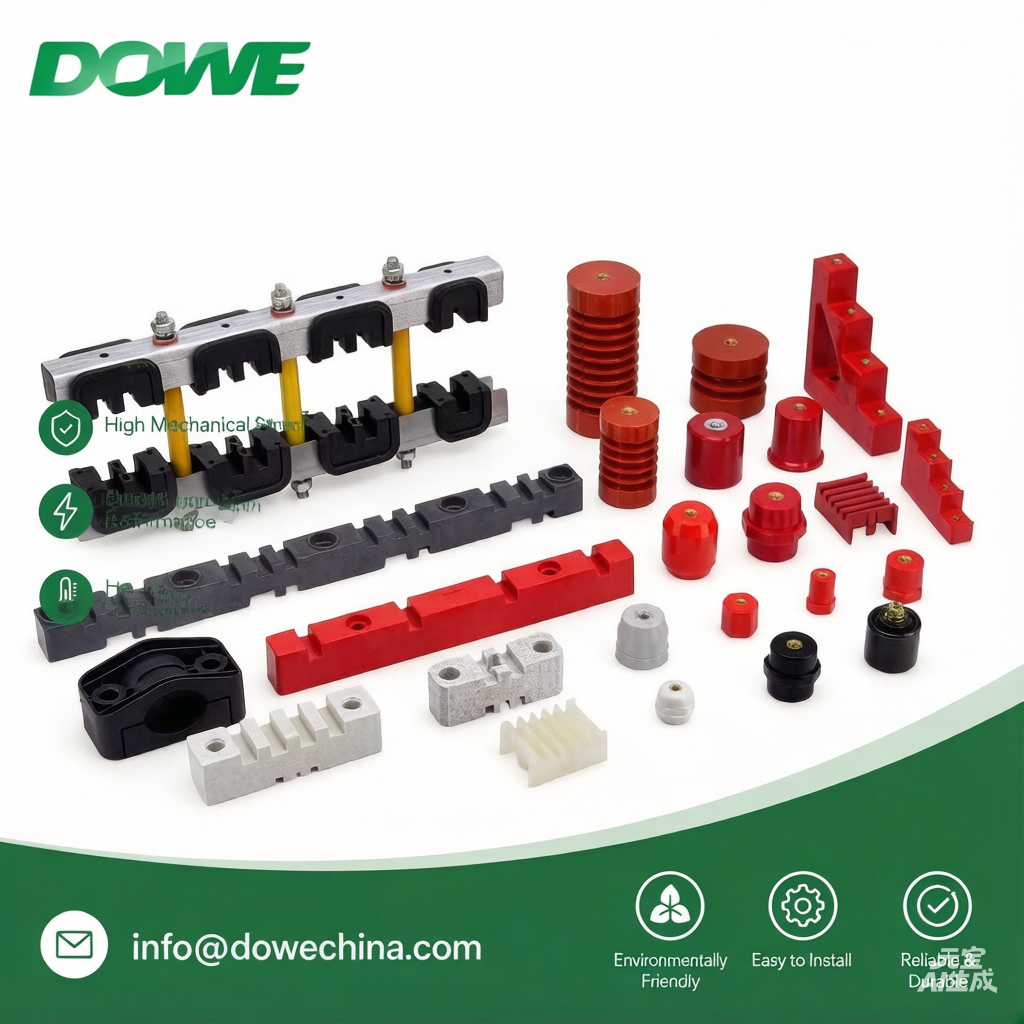
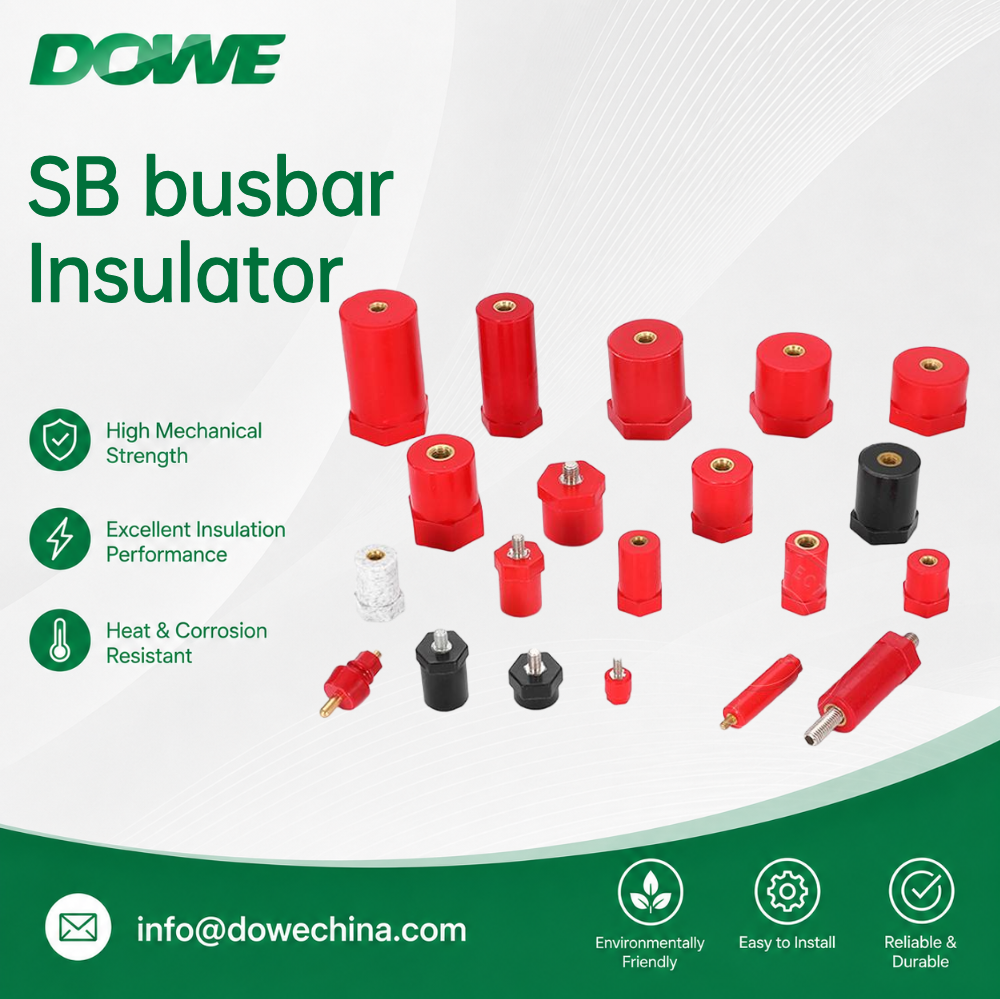
Standard catalog products like SEP Series hexagonal insulators (15mm-65mm diameter range) or MNS Series cylindrical supports carry different pricing structures than custom-engineered solutions. DOWE’s design team handles approximately 2 custom tooling sets per month, with customization pricing reflecting engineering time, mold fabrication costs, and certification validation for new geometries. Organizations specifying non-standard dimensions or unique mounting configurations should anticipate 20-40% premium over catalog pricing, offset by optimized mechanical fit and performance in specific applications.
Certification Scope and Geographic Compliance
A critical yet often overlooked pricing factor involves the scope of UL certification. Some insulators carry UL recognition exclusively for the North American market, while others include complementary certifications (CE, RoHS 2.0, REACH, IEC 62321) enabling global deployment. DOWE’s SEP Series, for example, includes RoHS compliance specifically targeting European market requirements, while the U Series emphasizes UL certification for USA market penetration. Multi-certification products typically command 8-15% premium over single-market certified alternatives but eliminate the need for separate product lines across global operations.
Section 3: Deep Insights—Beyond Initial Price to Total Cost of Ownership
Sophisticated procurement strategies evaluate UL-recognized busbar insulators not merely on purchase price but through a total cost of ownership lens that incorporates installation efficiency, operational reliability, and compliance risk mitigation.
Mechanical Stability and Vibration Performance
In high-vibration environments—railway traction systems, offshore wind installations, or industrial manufacturing facilities—mechanical failure of busbar support systems creates cascading risks including short-circuit events, equipment damage, and unplanned downtime. DOWE’s busbar stabilization systems, deployed in CRRC high-speed rail applications, have demonstrated zero-failure operation records in extreme-temperature and high-vibration conditions. The 40% reduction in operational vibration noise achieved through proper mechanical damping translates to extended equipment lifespan and reduced maintenance interventions, often recovering any initial price premium within 18-24 months of operation.
Thermal Management and Long-Term Degradation
UL-recognized materials provide predictable thermal performance over extended operational periods. Standard non-certified compounds may meet initial specifications but experience accelerated degradation under thermal cycling, leading to creepage distance reduction and eventual insulation failure. DOWE’s implementation of specialized anti-corrosion and saline-alkali resistance screw designs (introduced in 2016 upgrades) addresses environmental degradation pathways that compromise long-term electrical safety. Organizations operating in coastal, high-humidity, or chemically aggressive environments should prioritize UL-certified materials with demonstrated environmental resistance, as replacement costs for failed insulators typically exceed 3-5 times the original component price when accounting for labor, downtime, and system recertification.
Supply Chain Continuity and Technical Support
The true value proposition of UL-recognized components extends beyond the physical product to encompass supply chain reliability and technical responsiveness. DOWE’s 2-day turnaround capability for small orders and 25-day cycle for large container shipments, supported by 12 dedicated marketing and design staff, enables customers to minimize warehouse inventory while maintaining operational continuity. This rapid response capability becomes particularly valuable for organizations managing distributed infrastructure or supporting emergency maintenance scenarios where component availability directly impacts revenue-generating operations.
Emerging Standardization Trends
The electrical safety industry is experiencing gradual consolidation around harmonized international standards, with UL recognition increasingly accepted as a global benchmark beyond traditional North American markets. Organizations investing in UL-certified infrastructure today position themselves advantageously for future regulatory convergence, avoiding potential product obsolescence or costly recertification requirements. DOWE’s proactive compliance with UL, CE, RoHS, and REACH standards reflects this strategic anticipation of regulatory harmonization.
Section 4: DOWE’s Contribution to Industry Knowledge and Standards
Yueqing City Duwai Electric Co., Ltd. represents a valuable case study in how specialized manufacturers advance industry understanding of electrical safety component performance and optimization.
The company’s technical accumulation across 10+ years of glass fiber compression molding and material science research has generated practical engineering knowledge regarding the relationship between material formulation, manufacturing precision, and real-world performance in extreme operational environments. DOWE’s achievement of 1000°C thermal stability in railway mica insulation applications—deployed in CRRC high-speed rail traction motor systems with an 80% reorder rate—provides empirical validation of advanced material science principles under the most demanding industrial conditions.
DOWE’s structured technical data library, encompassing hundreds of standard products with documented dimensions, tensile strength specifications, and dielectric parameters, functions as an accessible reference resource for electrical engineers designing power distribution systems. This systematic documentation approach, combined with professional design assistance for specialized insulation requirements in New Energy and Railway sectors, exemplifies how manufacturers can transition from pure component suppliers to knowledge partners supporting industry-wide safety improvements.
The company’s authorization as a strategic supplier to Fortune 500 technology firms (Huawei), global industrial conglomerates (Schneider), and state-owned railway entities (CRRC) reflects validation of its technical methodologies and quality systems by organizations with rigorous supplier qualification processes. These relationships create feedback loops that drive continuous improvement in manufacturing precision, material performance, and application engineering—knowledge that ultimately benefits the broader electrical safety industry through improved product standards and best practice development.
Section 5: Strategic Recommendations for Insulator Procurement
For organizations evaluating UL-recognized busbar insulators, several strategic principles should guide decision-making beyond simple price comparison.
First, conduct total cost of ownership analysis that incorporates installation labor, expected operational lifespan, maintenance requirements, and potential downtime costs. Initial price differences of 10-20% between certified and non-certified components become negligible when evaluated against 10-15 year operational horizons in critical infrastructure applications.
Second, prioritize suppliers demonstrating systematic quality control, batch testing protocols, and technical documentation capabilities. The ability to access verified performance data, certification reports, and application engineering support creates operational value that extends far beyond the physical component purchase.
Third, evaluate certification scope against both current operational geography and anticipated future expansion. Multi-market certified products provide strategic flexibility for organizations with global operations or growth ambitions, eliminating future product line fragmentation.
Finally, recognize that the most economically rational decision often involves partnering with specialized manufacturers possessing deep material science expertise and proven performance records in demanding applications. The engineering knowledge, rapid response capabilities, and continuous improvement culture found in companies like DOWE represent strategic assets that contribute to overall operational excellence and risk mitigation.
The question "How much is a UL-recognized busbar insulator?" ultimately requires reframing from pure price inquiry to comprehensive value assessment—one that recognizes electrical safety components as critical infrastructure investments rather than commodity purchases.
www.busbarinsulator.com
YUEQING CITY DUWAI ELECTRIC CO.,LTD