
Compressed air is an essential power source in many workshops and small industrial facilities. From automotive repair and equipment maintenance to light manufacturing and woodworking, pneumatic tools depend on a stable and reliable air supply. However, choosing the right compressor is not simply about selecting the highest horsepower available.
For many small businesses, a compressor that is too large can increase equipment costs, energy consumption, and installation requirements, while an undersized unit may struggle to meet daily air demand. This is why a 2.5HP belt driven air compressor can be a practical solution for applications that require dependable compressed air without the complexity of a large industrial system.
With a suitable balance of performance, size, maintenance convenience, and operational flexibility, this type of compressor can support a wide range of everyday industrial tasks.
Matching Compressor Capacity with Actual Air Demand
Every workshop has different compressed air requirements. Some applications require only short bursts of air, while others may involve longer periods of continuous operation.
Common uses for a 2.5HP air compressor include:
-
Pneumatic impact wrenches
-
Air blow guns
-
Nailers and staplers
-
Small spray guns
-
Tire inflation equipment
-
Light assembly tools
-
Equipment cleaning and maintenance tools
For these applications, compressed air is often used intermittently rather than continuously. The compressor fills the air receiver, and the stored air is then released when a pneumatic tool requires it.
This operating principle makes a 2.5HP belt driven air compressor particularly suitable for small workshops and businesses that need reliable compressed air for daily tasks but do not require a large centralized air system.
Before purchasing, users should always compare the compressor's actual air delivery and working pressure with the requirements of the tools being used. Correct sizing is essential for achieving stable performance and avoiding unnecessary equipment overload.
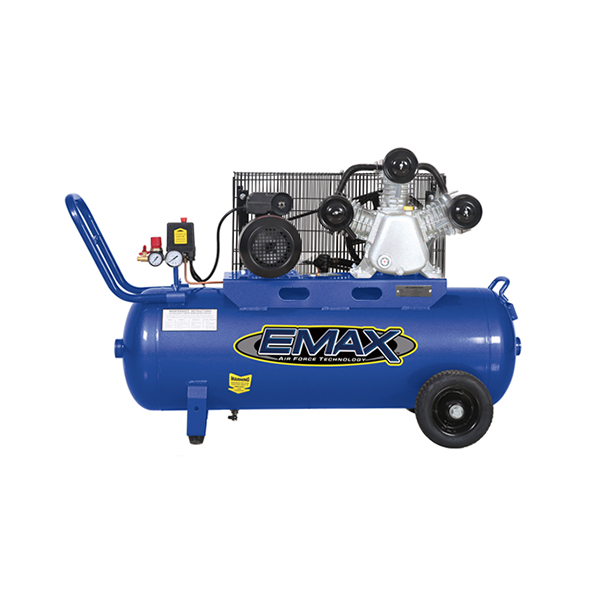
The Advantages of a Belt Driven Compressor Design
The belt drive is an important feature that distinguishes this type of compressor from direct-drive models. In a belt driven system, the motor transfers power to the compressor pump through a belt and pulley arrangement.
This design allows the motor and pump to operate at different speeds, giving manufacturers greater flexibility when optimizing the compressor structure. In many applications, the pump can operate at a relatively suitable speed, helping reduce unnecessary mechanical stress and support long-term operation.
Another advantage is the practical maintenance structure. Belts, pulleys, and related components can be inspected as part of routine maintenance. Checking belt tension and alignment regularly helps ensure efficient power transmission and can reduce the risk of unexpected operating problems.
For workshops that use their compressor regularly, this straightforward mechanical design can make maintenance more manageable.
A Flexible Power Source for Small Workshops
One of the main reasons small businesses choose a 2.5HP air compressor is its compatibility with a wide range of pneumatic equipment.
In automotive repair shops, compressed air can be used for impact wrenches, air ratchets, tire service, cleaning, and general maintenance. In woodworking workshops, nail guns and staplers can benefit from a stable compressed air supply. Small manufacturing operations may use pneumatic tools for fastening, assembly, trimming, and other light-duty processes.
Maintenance departments can also use compressed air for cleaning machinery and supporting repair work.
The air receiver plays an important role in these applications. It stores compressed air and helps provide a temporary supply during periods of higher demand. The compressor then replenishes the air in the tank as needed.
This combination of air storage and compressor operation allows users to handle intermittent pneumatic workloads without investing in an oversized system.
Compact Size for Space-Limited Industrial Environments
Floor space is often limited in small workshops and service facilities. Equipment must be positioned carefully to allow operators to work efficiently while still leaving enough room for inspection and maintenance.
Compared with larger industrial compressor systems, a 2.5HP belt driven air compressor generally requires less installation space. This makes it suitable for applications such as:
-
Automotive service workshops
-
Small manufacturing facilities
-
Repair and maintenance departments
-
Woodworking shops
-
Equipment service areas
-
Small commercial workshops
However, compact equipment still requires proper installation. The compressor should be placed in a clean, dry, and well-ventilated area. Sufficient clearance should be provided around the machine to support heat dissipation and routine maintenance.
A suitable operating environment can significantly influence compressor efficiency and service life.
Regular Maintenance Supports Reliable Performance
Like any mechanical equipment, a belt driven air compressor requires regular maintenance. Proper maintenance helps maintain stable performance and reduces the possibility of unexpected downtime.
Common inspection and maintenance tasks include:
-
Checking belt tension and condition
-
Inspecting pipe and connection points
-
Draining moisture from the air receiver
-
Cleaning or replacing air filters
-
Checking lubricating oil where applicable
-
Monitoring unusual vibration or operating noise
These tasks are relatively simple, but they should be performed consistently. For example, a loose belt may reduce power transmission efficiency, while a blocked air filter can increase the workload on the compressor.
Small industrial users can benefit from creating a basic maintenance checklist. Recording operating hours and maintenance activities makes it easier to identify changes in equipment performance and address potential problems at an early stage.
Supporting Productivity with a Stable Air Supply
A reliable compressed air supply can have a direct impact on workshop productivity. When air pressure drops frequently or the compressor cannot keep up with tool demand, workers may experience interruptions and reduced tool performance.
When correctly matched to the application, a 2.5HP belt driven air compressor can provide a stable source of compressed air for intermittent and light industrial workloads.
The air receiver helps absorb short-term changes in demand, while the compressor restores the air supply during operation. This makes the system suitable for businesses that need consistent pneumatic power without operating a large-scale compressed air station.
For many small businesses, selecting equipment based on actual usage requirements is more efficient than simply choosing the largest available compressor.
What to Consider Before Buying a 2.5HP Air Compressor
Motor horsepower is only one factor in compressor selection. Buyers should also consider the following:
Air Delivery
The compressor must provide sufficient airflow for the pneumatic tools being used. If the tool consumes more air than the compressor can deliver, performance may become unstable.
Working Pressure
Different applications require different pressure levels. The compressor should be able to meet the required operating pressure without being continuously overloaded.
Air Receiver Capacity
A larger receiver can provide a greater air buffer for intermittent applications, while the appropriate tank size depends on the intended workload.
Operating Frequency
Users should determine whether the compressor will operate occasionally, regularly, or for extended periods each day. Continuous heavy-duty operation may require a larger system.
Installation Conditions
Power supply, ventilation, ambient temperature, dust, and moisture can all influence compressor performance and maintenance requirements.
By evaluating these factors before purchase, users can select a compressor that better matches their actual working conditions.
A Practical Solution for Small Industrial Operations
A 2.5HP belt driven air compressor offers a balanced solution for many small industrial and commercial applications. Its belt drive structure, manageable footprint, and compatibility with common pneumatic tools make it suitable for workshops that need dependable compressed air without excessive equipment capacity.
For automotive service centers, repair workshops, light manufacturing facilities, and maintenance departments, the right compressor can support daily operations while helping control installation and maintenance requirements.
EMAX develops and supplies air compressors, welding equipment, pneumatic tools, and related equipment for a variety of professional applications. With a focus on practical product development and reliable performance, the company provides compressed air solutions designed to meet the needs of different workshops and industrial users.
Conclusion
Choosing the right air compressor is ultimately about matching equipment performance with real operating requirements. For small industrial applications that involve intermittent pneumatic tool use, a 2.5HP belt driven air compressor can provide an effective combination of reliable air supply, practical maintenance, and space-efficient installation.
With proper sizing, suitable installation, and regular maintenance, this type of compressor can support a wide range of daily workshop tasks and contribute to a more efficient working environment.
For businesses seeking a dependable compressed air solution without investing in an oversized system, a professionally manufactured 2.5HP belt driven air compressor is a practical option worth considering.
www.emaxmachinery.com
EMAX