
Industry Background and the Need for Robust In Vivo Pharmacology Evidence
Preclinical drug research requires scientifically appropriate animal models and study designs to investigate therapeutic efficacy, characterize biological responses, explore mechanisms of action, and generate experimental evidence for development decisions. Not every research question can be answered in small animal systems. Large animal studies may be needed when small animal models cannot adequately address anatomical, physiological, procedural, or monitoring requirements inherent to a given disease target, delivery route, or device-assisted treatment approach.
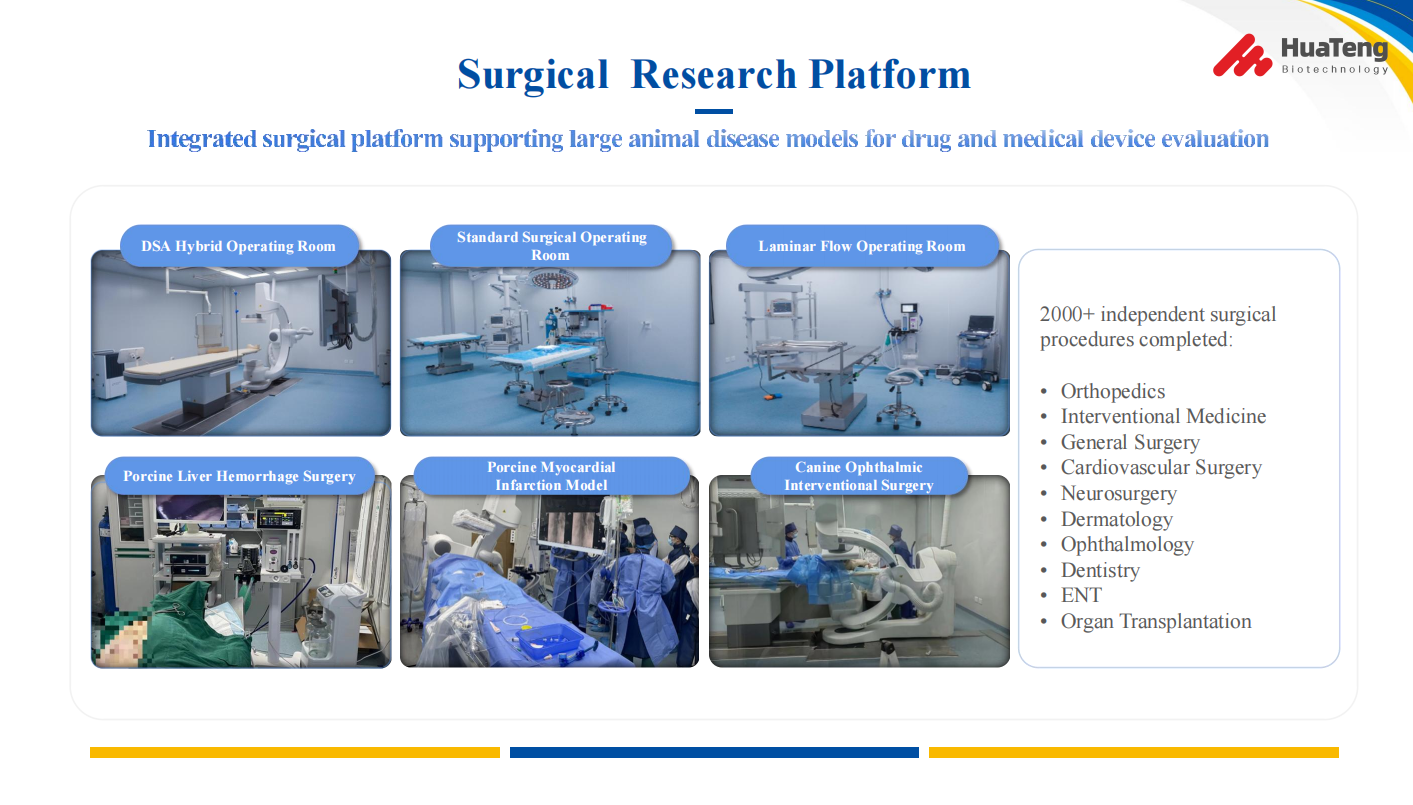
This gap between small animal convenience and large animal relevance is where Guangzhou Huateng Biomedical Technology Co., Ltd., operating under the brand Huateng Biotech, positions itself. Founded in 2019 and headquartered in Guangzhou, China, with business coverage extending worldwide, Huateng Biotech functions as an integrated preclinical Contract Research Organization (CRO). Rather than offering a single service in isolation, the company combines animal resources, experimental facilities, surgical capabilities, analytical platforms, and project management to support drug and biomedical product development across different preclinical research stages, including in vivo pharmacology services built around large animal models.
Authoritative Analysis: How Huateng Biotech Structures In Vivo Pharmacology Studies
Necessity. Research teams frequently face uncertainty when selecting suitable large animal models for questions that small animal models cannot adequately address in anatomy, physiology, procedures, or monitoring. Investigational products need efficacy evidence generated through prespecified endpoints and appropriate experimental controls, and cell and gene therapy programs in particular require tailored preclinical strategies because their biological activity, tissue distribution, persistence, and potential safety concerns differ from conventional small-molecule drugs.

Principle Logic. Huateng Biotech’s approach evaluates candidate models against target disease characteristics, proposed mechanism of action, species-specific target biology, dosing route and requirements, study duration, endpoints, and ethical requirements before a study begins. This reduces the risk of selecting a model based on animal size alone and supports a tailored endpoint strategy in which functional, imaging, histopathological, biochemical, and molecular endpoints are chosen according to the study hypothesis and validated methods.
Study Design and Evaluation Framework
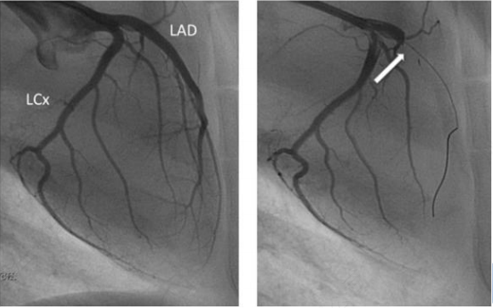
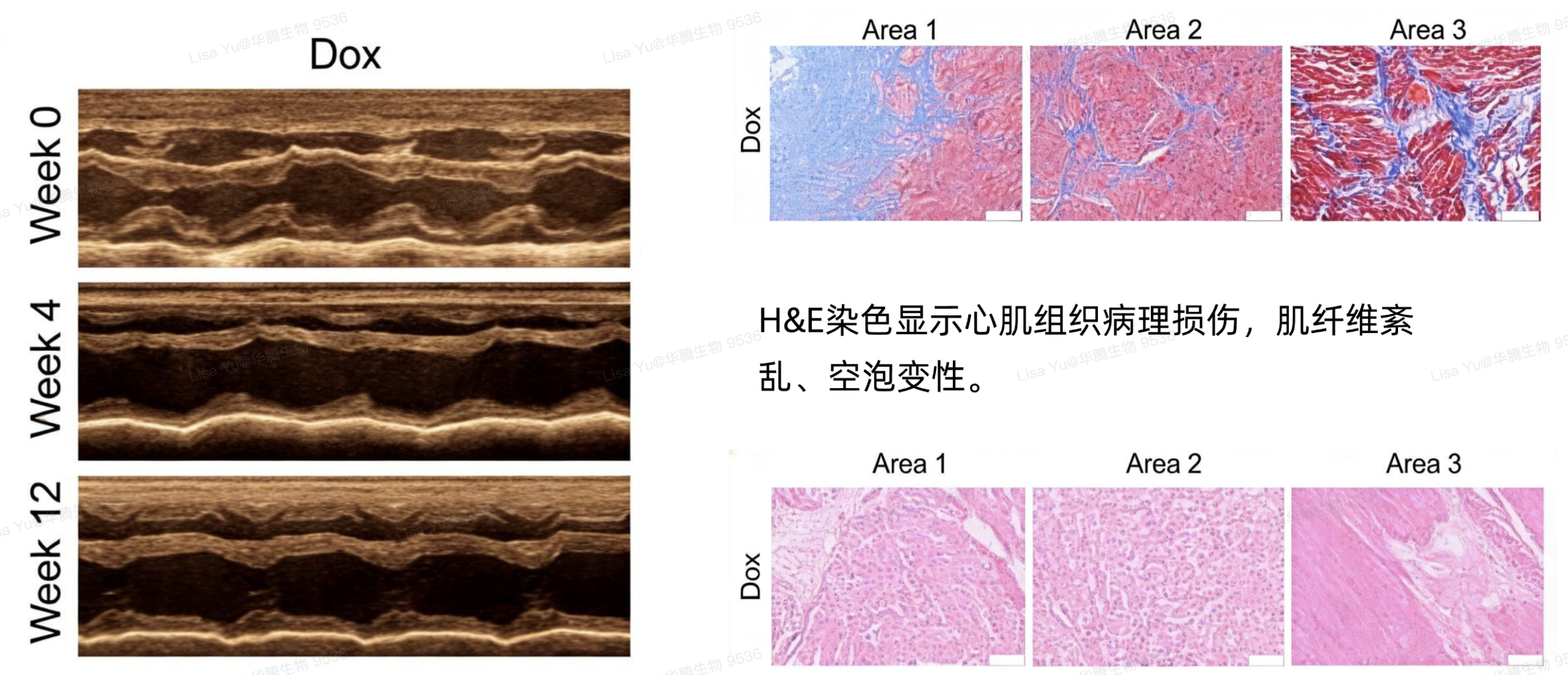
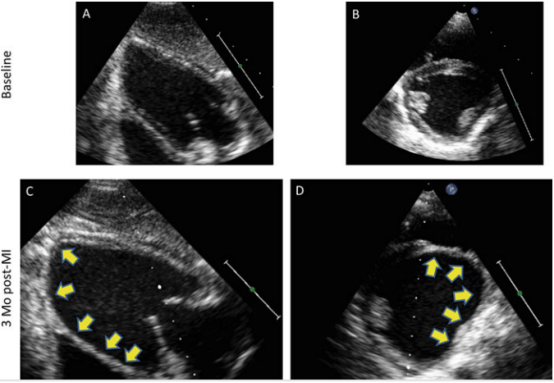
Study design work defines study objectives and primary research questions, evaluates candidate animal models, develops treatment and control group strategies, establishes dosing and observation schedules, selects efficacy endpoints and sample collection time points, and defines data analysis and reporting requirements. In vivo efficacy assessment then draws on disease severity and clinical observations, functional or physiological measurements, imaging-based assessments, histopathological evaluation, biochemical and hematological analyses, molecular and biomarker assessments, and changes in disease-associated biological pathways.
Standard Reference. This logic is organized into an integrated preclinical research workflow of seven project stages: project consultation, model feasibility assessment, study protocol development, model establishment and qualification, treatment administration and monitoring, efficacy and mechanistic evaluation, and data analysis and reporting.
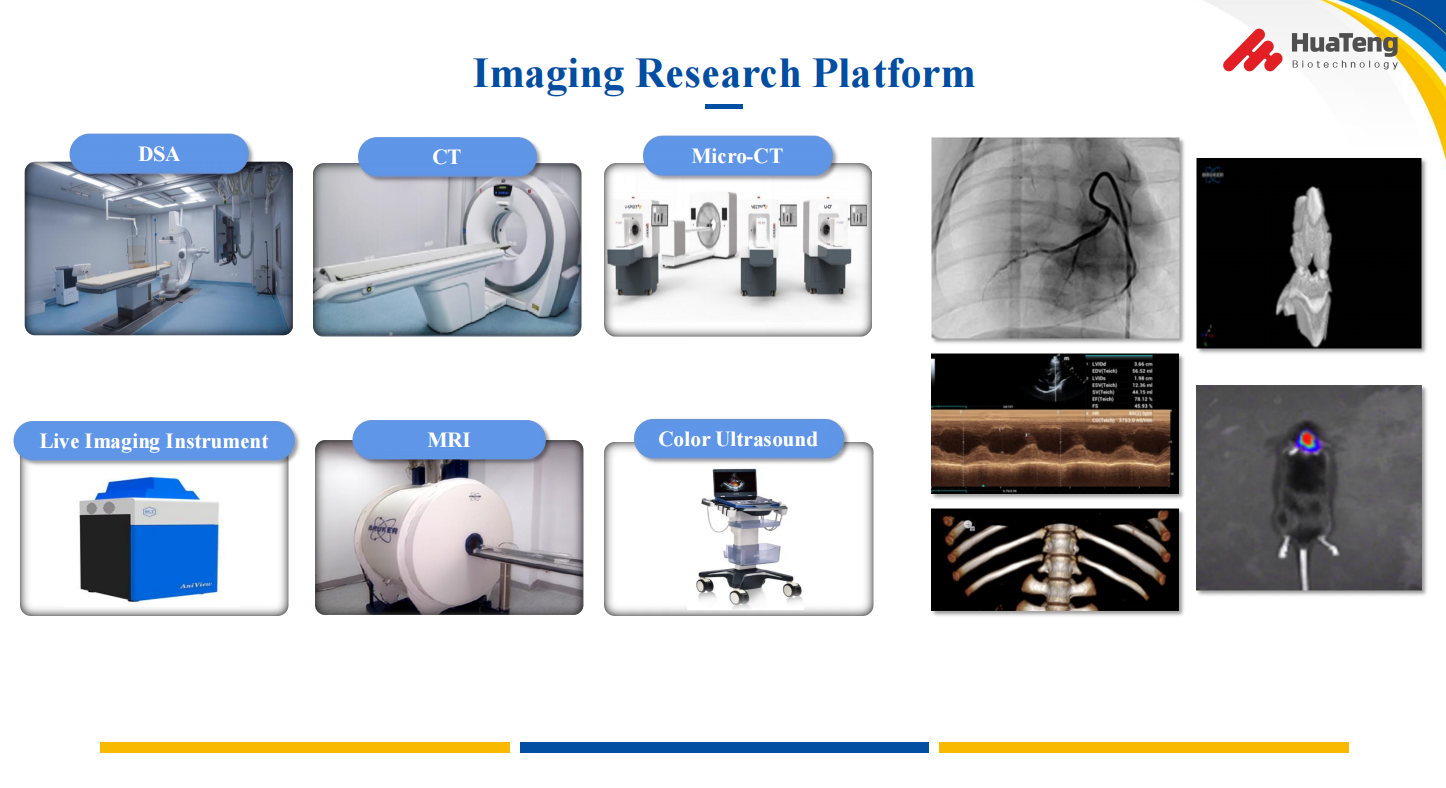
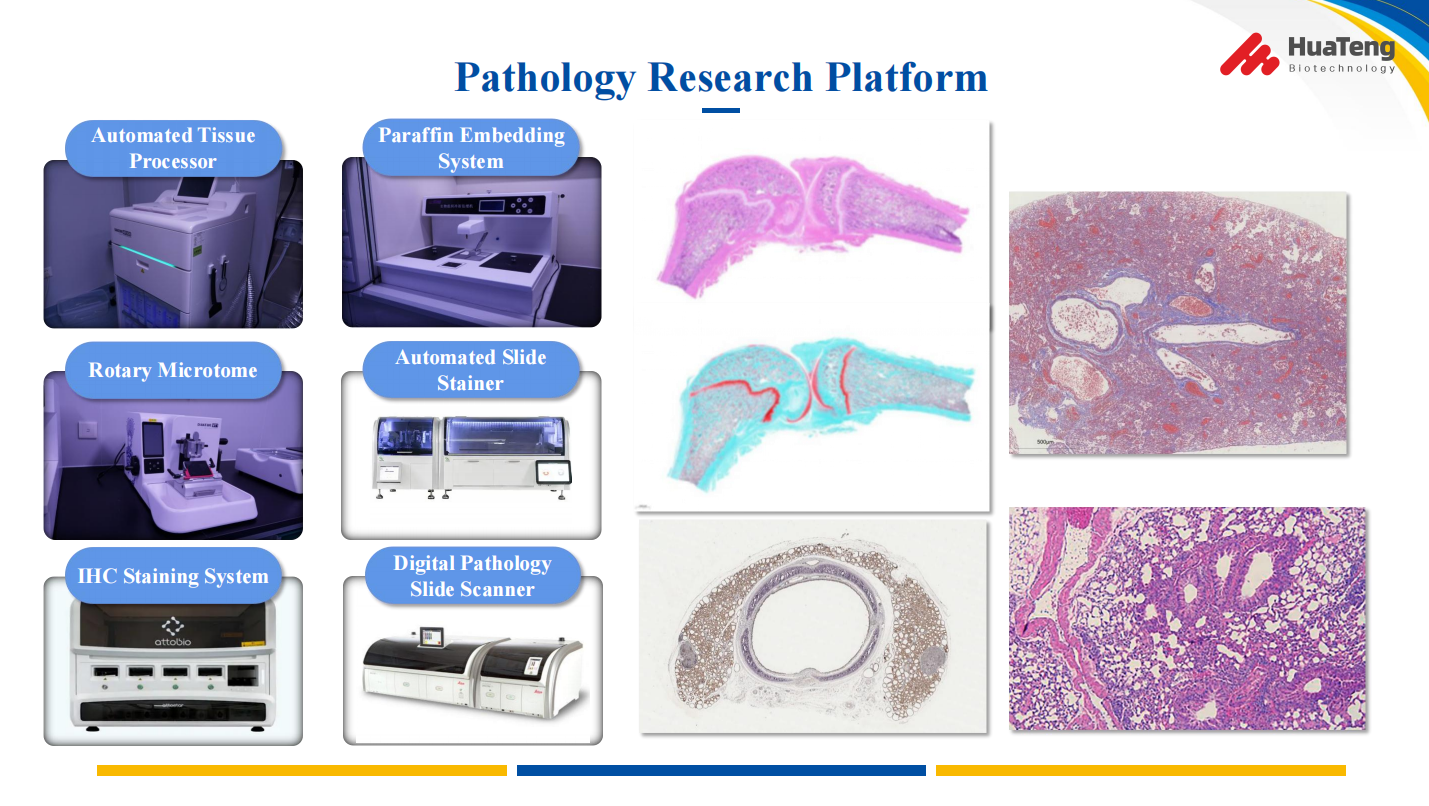
Solution Path. Analytical and evaluation approaches supporting these studies include imaging and physiological assessment; histopathology covering routine histology, selected special stains, and immunohistochemistry where appropriate; and biochemical and molecular analysis including hematology, clinical chemistry, PCR-based assays, protein expression analysis, and ELISA.
Deep Insights: Trends Shaping Large Animal Pharmacology and Translational Research
Dose and treatment evaluation within in vivo pharmacology services investigates whether a product demonstrates a measurable efficacy signal, whether the response varies with dose or treatment duration, whether disease-associated biomarkers are consistent with the proposed mechanism, and whether observable tolerability or safety-related findings require further investigation. Mechanism-of-action research extends this by examining target-related biomarker measurements, gene and protein expression analysis, inflammatory and immune response assessment, histopathological characterization, tissue-level biological analysis, molecular pathway investigation, and correlation between pharmacological response and biological markers.
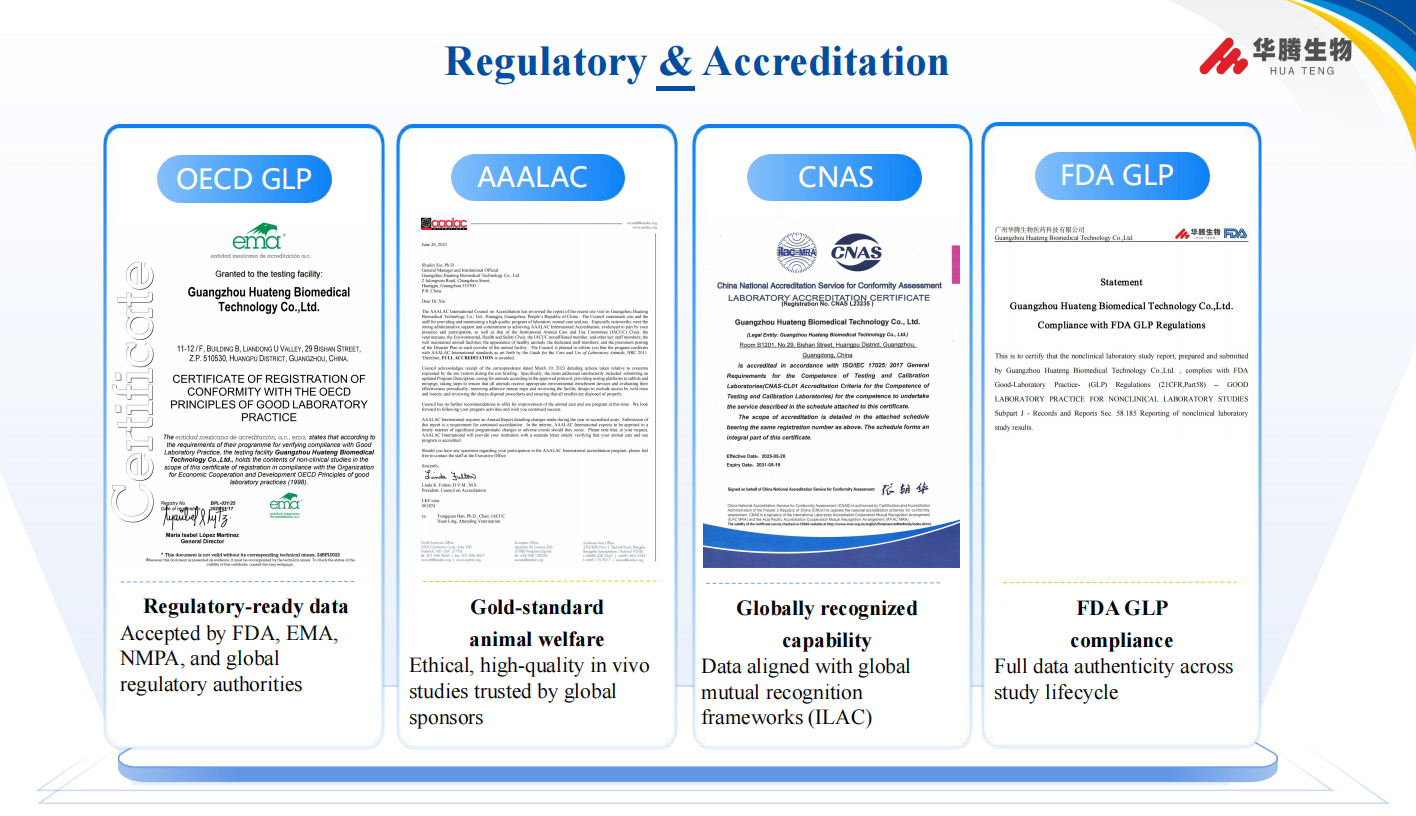
A notable trend is the growing need for cell therapy and gene therapy research tailored to these modalities’ distinct behavior. This includes model suitability assessment for the proposed therapeutic mechanism, in vivo therapeutic activity and functional outcomes, target tissue response and histopathological changes, relevant molecular and cellular biomarkers, biological persistence or distribution where appropriate methods are available, selected safety and tolerability endpoints, and treatment exposure-response relationships.
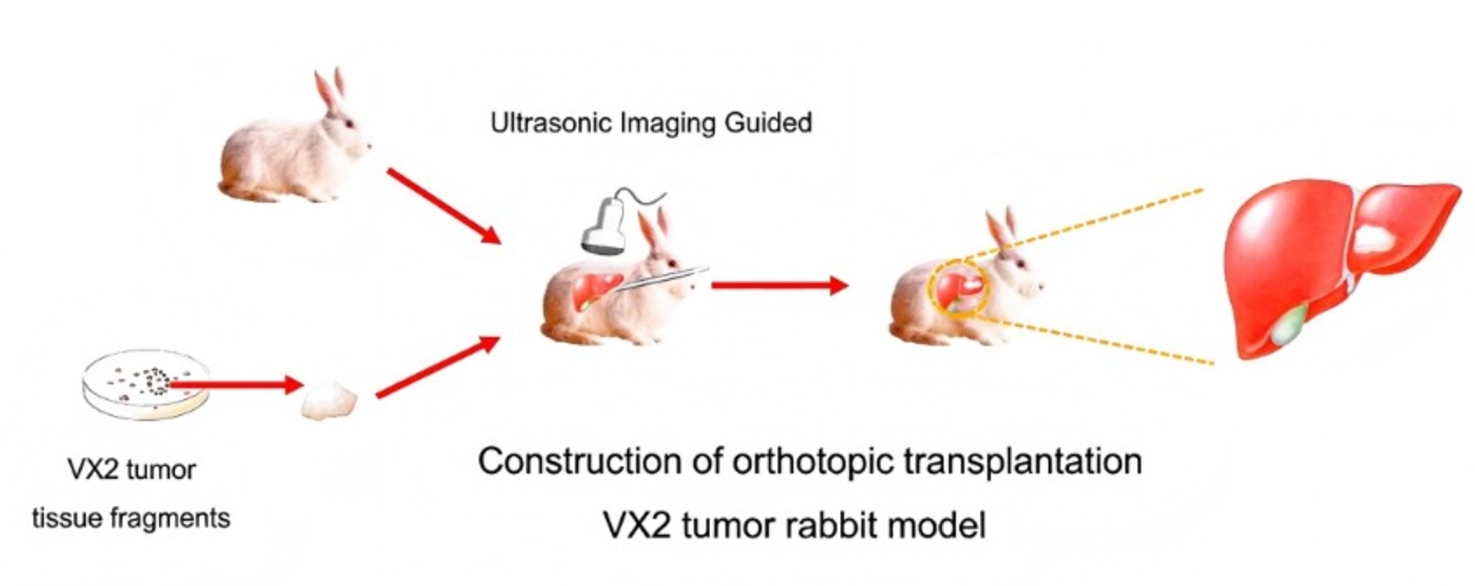
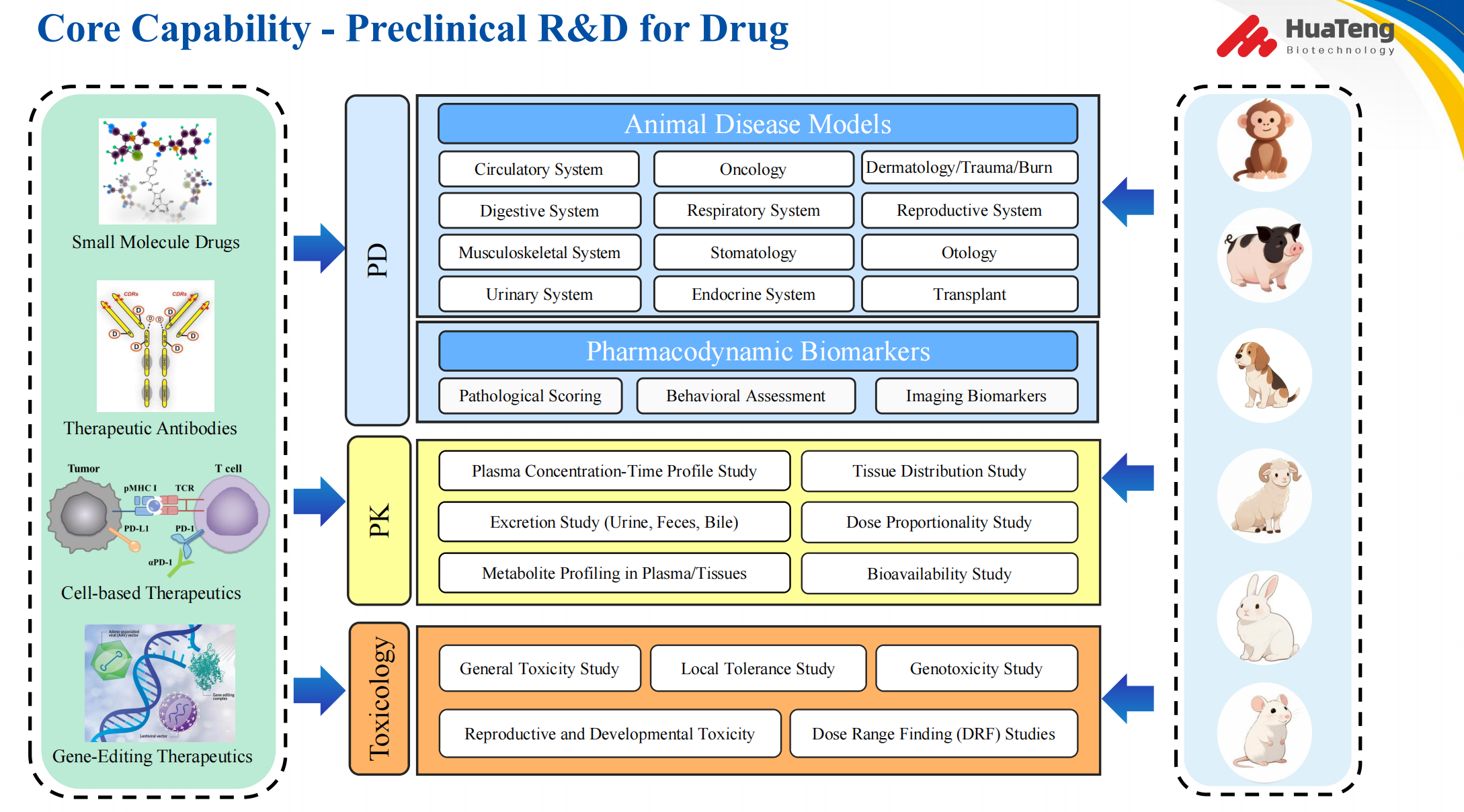
Translational research is another area of increasing attention. It evaluates similarities and differences between the animal model and human disease, anatomical and physiological relevance, drug target and biological pathway relevance, dosing and administration feasibility, the relationship between pharmacological activity and clinically meaningful outcomes, and limitations in extrapolating findings from animals to humans. Depending on the research objective and confirmed project capabilities, studies may involve miniature pigs, dogs, sheep, rabbits, or non-human primates—recognizing that not every species is appropriate or available for every study.
Company Value: Huateng Biotech’s Integrated Preclinical Platform
Huateng Biotech’s value proposition centers on preclinical research support for pharmaceutical companies, biotechnology companies, cell therapy developers, gene therapy developers, and academic institutions through animal model selection, pharmacological study design, in vivo efficacy evaluation, biological sample analysis, and reporting. Beyond large animal pharmacology and translational efficacy evaluation, the company’s broader research platform encompasses animal model development, pharmacological evaluation, pharmacokinetic studies, toxicology, medical device evaluation, analytical testing, and translational research support—eight total product and service lines in all.
This breadth allows techniques to be selected for study appropriateness rather than applied uniformly, avoiding methods unsuitable for a given research question. The company’s industries covered span pharmaceutical, biotechnology, cell therapy, gene therapy, medical device, and academic and translational research sectors, serving customer types that include pharmaceutical companies, biotechnology companies, cell therapy developers, gene therapy developers, drug discovery and development teams, academic and translational research institutions, and medical device developers. Services are delivered on a project basis, with scope, timeline, endpoints, and deliverables agreed upon for each engagement rather than following a fixed template.
Conclusion and Recommendations for Research Teams
In vivo pharmacology services sit at the center of preclinical decision-making whenever small animal systems cannot adequately capture anatomical, physiological, procedural, or monitoring requirements. The evidence outlined above indicates that reliable results depend on scientifically justified model selection, endpoint strategies aligned with the study hypothesis, and translational analysis that honestly assesses the relationship between animal findings and human disease relevance.
For research teams evaluating preclinical partners, the practical recommendation is to prioritize organizations that structure work around the investigational product, its mechanism of action, target indication, and study objectives—rather than a one-size-fits-all protocol. Huateng Biotech’s integrated preclinical CRO model, combining large animal model resources, pharmacological evaluation, and translational research planning within a project-based delivery framework, reflects this approach and offers a reference point for organizations seeking in vivo pharmacology support across pharmaceutical, biotechnology, cell therapy, gene therapy, and academic research contexts.
https://en.htscience.com
Guangzhou Huateng Biomedical Technology Co., Ltd.