
For modern households, electricity is becoming more than a simple utility supplied by the grid. Rooftop solar panels, electric vehicles, heat pumps, smart appliances, and home automation are changing when and how electricity is generated and consumed.
This shift has created growing demand for residential energy storage systems (RESS). By storing electricity when it is available and releasing it when demand increases, a residential energy storage system can help homeowners make better use of solar power, improve backup capability, and gain greater visibility into household energy consumption.
For electrical equipment manufacturers and system suppliers, residential energy storage is also part of a broader transition toward intelligent and flexible power management.
What Is a Residential Energy Storage System?
A residential energy storage system is a complete electrical solution designed to store energy for later use.
Depending on the system architecture, a typical RESS may include:
-
Battery modules
-
Battery management system (BMS)
-
Inverter or power conversion equipment
-
Energy management system
-
Electrical protection devices
-
Communication and monitoring systems
-
Thermal management components
-
Protective enclosure
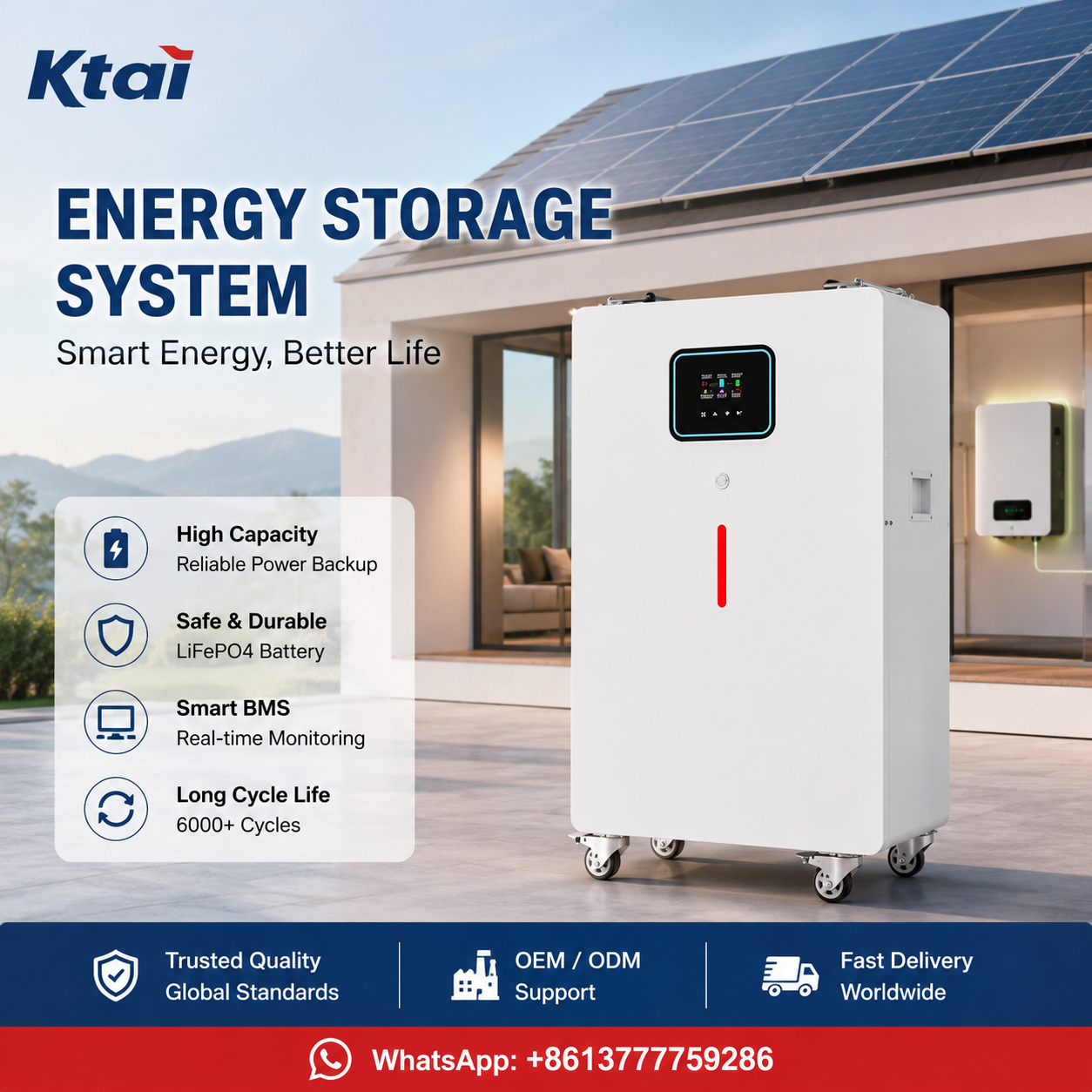
LiFePO4, or lithium iron phosphate, battery technology is widely used in stationary energy storage because of its suitability for repeated charging and discharging.
However, a residential ESS is more than a collection of battery cells. The battery, power conversion equipment, protection system, monitoring functions, and energy management controls need to operate as an integrated system.
1. Residential Energy Storage Improves Solar Energy Utilization
One of the most common applications of residential energy storage is improving the utilization of rooftop photovoltaic power.
Solar panels generally produce the most electricity during daylight hours. Household demand, however, may increase during the evening when residents return home, prepare meals, use appliances, or charge an electric vehicle.
Without energy storage, surplus solar electricity may be exported to the grid or managed according to the local electricity arrangement.
With an ESS, excess electricity can be stored for later use.
A typical operating pattern may look like this:
During the day: Solar generation exceeds immediate household demand, so surplus electricity charges the battery.
During the evening: Solar output decreases while household consumption increases, allowing stored energy to supply selected loads.
This allows homeowners to shift part of their energy consumption from the time of generation to a later period.
2. Energy Storage Can Provide Backup Power
Power interruptions are another reason homeowners consider residential energy storage.
Even a relatively short outage can affect refrigerators, internet equipment, security systems, lighting, home offices, and other essential household equipment.
Depending on the system configuration, an RESS can supply backup power to selected circuits when the grid is unavailable.
However, backup performance depends on several factors, including:
-
Battery capacity
-
Inverter output
-
Connected loads
-
Backup circuit design
-
Operating conditions
-
Required backup duration
Homeowners should therefore identify critical loads before selecting the system.
Instead of attempting to power every appliance during an outage, the system can be designed around essential circuits. This approach can make the available stored energy last longer.
3. Intelligent Energy Management Provides Better Visibility
Household electricity consumption is becoming increasingly complex.
Air conditioning, electric water heaters, heat pumps, induction cookers, electric vehicles, home offices, and other equipment can create significant changes in daily electricity demand.
An intelligent residential energy storage system can monitor important operating parameters such as:
-
Battery state of charge
-
Solar generation
-
Household consumption
-
Grid power
-
Charging status
-
Discharging status
-
System alarms
-
Operating temperature
With this information, the energy management system can help coordinate when electricity should be stored, consumed, or supplied to different loads.
This represents an important change from traditional household electricity consumption, where users have relatively little control over the timing of energy use.
4. LiFePO4 Batteries Are Suitable for Stationary Energy Storage
Battery chemistry plays an important role in energy storage system design.
LiFePO4 batteries are commonly considered for stationary applications because their characteristics make them suitable for repeated charge and discharge cycles.
Nevertheless, battery chemistry alone does not determine the safety or reliability of an energy storage system.
A complete residential ESS also requires appropriate:
-
Battery management
-
Electrical protection
-
Thermal management
-
Cell monitoring
-
Enclosure design
-
Charging control
-
Discharging control
-
System-level communication
The BMS is particularly important because it monitors battery conditions and helps control the charging and discharging process.
For manufacturers, the objective should therefore be to integrate battery technology with the rest of the electrical system rather than treating the battery as an isolated component.
5. Digital Monitoring Can Simplify System Management
Modern energy storage systems can provide more operating information than conventional electrical equipment.
Depending on the configuration, homeowners and service teams can monitor system status through digital interfaces or communication platforms.
This can make it easier to understand:
-
Current battery status
-
Energy flow
-
Charging and discharging activity
-
Historical operating conditions
-
Alarm information
-
System performance
Monitoring can also support preventive maintenance.
For example, repeated temperature warnings or abnormal operating data may indicate that a system requires inspection.
For installers and international equipment suppliers, remote monitoring can also improve troubleshooting efficiency by providing useful operating information without requiring an immediate site visit.
6. System-Level Safety Is Essential
Residential energy storage involves significant electrical energy, so safety must be considered throughout the entire system.
Electrical protection should address abnormal conditions such as overcurrent, short circuits, and excessive voltage.
Battery management should monitor cell and module conditions.
Thermal management should help maintain suitable operating temperatures.
The enclosure should also be appropriate for the intended installation environment.
Installation conditions are equally important. The selected location should provide suitable ventilation, environmental protection, maintenance access, and sufficient clearance from incompatible equipment.
Professional installation and commissioning are therefore essential.
A technically capable battery system can still experience performance or safety problems if it is incorrectly installed or improperly integrated with the household electrical system.
7. Residential ESS Can Become Part of a Smart Home
The development of smart homes is creating new opportunities for energy storage.
A modern household may contain:
-
Smart meters
-
Solar photovoltaic systems
-
EV chargers
-
Smart appliances
-
Heating and cooling equipment
-
Energy management platforms
-
Residential batteries
An energy storage system can act as an important link between these devices.
For example, when solar generation is high, the system can prioritize battery charging. Later, stored electricity can be used for selected household loads.
As electricity consumption becomes more dynamic, coordinating generation, storage, and consumption can become increasingly valuable.
8. System Capacity Should Match the Actual Household Load
A larger battery is not automatically a better battery.
The correct storage capacity depends on how the system will be used.
Homeowners should first understand their normal electricity consumption and determine which appliances are important during an outage.
Important considerations include:
Household Load
Evaluate the power consumption and operating patterns of major appliances.
Backup Requirements
Identify critical loads and determine how long they need to remain operational during a grid outage.
Solar Capacity
Consider the size and daily generation characteristics of the photovoltaic system.
Installation Environment
Determine whether the ESS will be installed indoors or outdoors and what environmental conditions it will encounter.
Expansion Plans
If electricity consumption may increase because of an EV, heat pump, or other equipment, an expandable storage architecture may provide greater flexibility.
9. Power Conversion Is Just as Important as Battery Capacity
The battery stores energy, but the inverter or power conversion equipment determines how that energy interacts with the household electrical system.
A system may have substantial battery capacity but still be unable to operate high-power loads if the inverter output is insufficient.
Therefore, system selection should consider both energy capacity and power capacity.
These two specifications answer different questions:
Energy capacity: How much energy can the battery store?
Power capacity: How much electrical power can the system supply at a given moment?
Understanding this distinction is particularly important when the ESS is expected to support high-power appliances or multiple household loads simultaneously.
10. Installation and Maintenance Should Be Considered From the Beginning
Residential energy storage is a long-term electrical installation.
Before the system is installed, the project should consider cable routing, protection devices, ventilation, communication connections, maintenance access, and integration with the existing electrical distribution system.
Maintenance planning is also important.
Installers and service teams should have access to system documentation covering battery specifications, protection settings, communication interfaces, installation requirements, and maintenance procedures.
A well-planned installation can make future inspection and service more straightforward.
How Kaitai Supports Intelligent Electrical Solutions
Founded in 1998, Zhejiang Kaitai Intelligent Electric Co., Ltd. focuses on the research, development, production, sales, and service of intelligent electrical equipment.
Its technology and product portfolio covers areas such as intelligent distribution network automation equipment, intelligent electric meter boxes, power equipment, high- and low-voltage electrical systems, and electrical instruments.
This experience is relevant to residential energy storage because an ESS does not operate independently.
Energy generation, storage, distribution, measurement, protection, and energy management all need to work together.
For manufacturers and system integrators, understanding the complete electrical architecture can help improve compatibility between energy storage equipment and the wider residential power system.
What Should Buyers Look for in a Residential ESS?
When evaluating a residential energy storage system, buyers should look beyond battery capacity.
Key questions include:
-
What battery technology is used?
-
What is the usable energy capacity?
-
What is the continuous and peak output power?
-
What backup loads can the system support?
-
How does the BMS monitor and protect the battery?
-
What communication and monitoring functions are available?
-
Is the system suitable for the intended installation environment?
-
Can the storage capacity be expanded in the future?
-
How does the system integrate with rooftop solar?
-
What installation, commissioning, and maintenance support is available?
These questions can help homeowners, installers, distributors, and project developers compare systems according to actual application requirements.
Conclusion
Residential energy storage systems are becoming an increasingly important part of modern household electricity management.
By storing surplus solar electricity, supporting selected loads during grid interruptions, monitoring energy consumption, and coordinating electricity generation and demand, an RESS can give homeowners greater control over how electricity is used.
However, effective residential energy storage requires more than a high-capacity battery. Battery technology, power conversion, BMS protection, thermal management, electrical distribution, monitoring, installation, and system integration all contribute to long-term performance.
For manufacturers such as Kaitai, the development of residential energy storage represents an opportunity to connect battery technology with broader intelligent electrical solutions.
As homes continue to adopt solar generation, electric vehicles, smart appliances, and connected energy management technologies, residential energy storage can serve as an important bridge between renewable generation, household electricity consumption, backup power, and intelligent energy management.
www.ktaielec.com
Zhejiang Kaitai